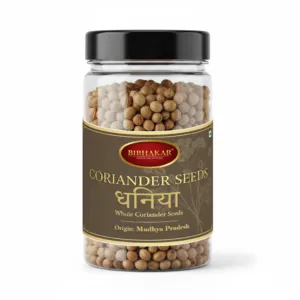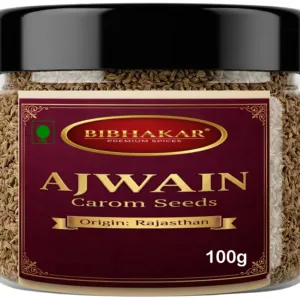
The Bibhakar Standard
Why our jar costs more.
Five checks every spice passes before it reaches a jar. Each one adds cost. Each one is something you can see, smell or ask us to prove.
01
One origin, named
Each spice is bought where it grows best and kept apart from every other region. The district goes on the label.
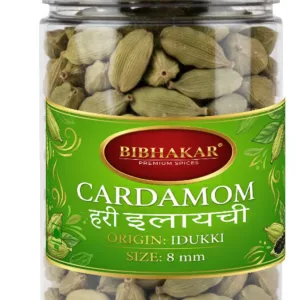
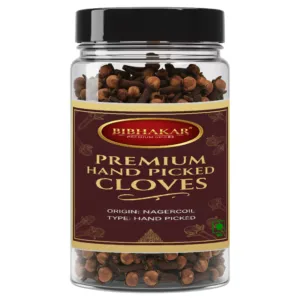
In practiceCardamom from Idukki only. Cloves from Nagercoil only.Why it costs more: single-district lots cost more than mixed market lots.
02
Sieved to one grade
Spices are sold by size and density. We buy the top grade and sieve out what falls below it.
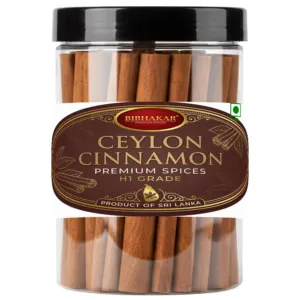
In practiceCardamom 8 mm and above. Ceylon cinnamon H1 quills. Black pepper 550+ g/l.Why it costs more: the top grade is a small share of each harvest.
03
Cleaned by hand
Stones, stalks, splits and pale pieces are picked out before packing.
In practiceExtraneous matter held at 0.5% or less on cardamom.Why it costs more: hand cleaning takes time and loses weight.
04
Checked before packing
Moisture and purity are checked on each lot before it goes into a jar.
In practiceCardamom moisture 10% or less; Lakadong turmeric curcumin 7–9%.Why it costs more: checks are paid for on every lot.
05
Packed whole, in clear jars
Whole spices keep their oils until you grind them. The clear airtight jar lets you check before you open it.
In practicePET jar, black cap, batch and best-before on every jar.Why it costs more: jars cost more than pouches.
Grade guide
The grade on every label
| Spice | Origin | Our grade | What to look for |
|---|---|---|---|
| Green cardamom | Idukki, Kerala | 8 mm and above | Even green colour, no split pods |
| Ceylon cinnamon | Sri Lanka | H1 quills (16 to 23 mm across) | Thin, layered bark rolled like a cigar |
| Black pepper | Idukki, Kerala | 550+ g/l | Heavy, round, no light hollow corns |
| Cloves | Nagercoil, Tamil Nadu | Hand-picked | Intact heads, oily when pressed |
| Lakadong turmeric | Meghalaya | Curcumin 7–9% | Deep orange inside the slice |
| Cassia cinnamon | Idukki, Kerala | H1 sticks | Single thick layer, reddish brown |
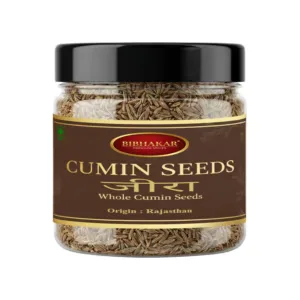
| Cumin, ajwain | Rajasthan | Whole seed | Clean seed, no dust or stalks |
Often confused
Which one do you need?
Three pairs of spices that share a name in many kitchens but are not the same thing. We sell each one separately and name it on the jar.
| Pair | First | Second | Use it for |
|---|---|---|---|
| Ceylon vs cassia cinnamon | Ceylon cinnamon Cinnamomum verum from Sri Lanka. Thin, pale, many-layered quills; mild and sweet. | Cassia cinnamon Cinnamomum cassia. One thick layer of dark red-brown bark; strong and spicy. | Ceylon for desserts, drinks and light curries. Cassia where cinnamon must stand up to long cooking. Both are sold as dalchini in India. |
| Green vs black cardamom | Green cardamom (choti elaichi) Elettaria cardamomum. Small green pods, sweet and floral. | Black cardamom (badi elaichi) Amomum subulatum. Large dark pods, smoky and camphor-like. | Green for chai, kheer and biryani. Black for dals, biryani and slow braises. |
| Black vs white pepper | Black pepper (kali mirch) Whole Piper nigrum berry, dried with its skin. Fruity and sharp. | White pepper (safed mirch) The same berry with the outer skin removed. Milder, earthier, less fruity; comparable heat. | Black for most cooking. White for pale sauces, soups and where you want an earthier note. |
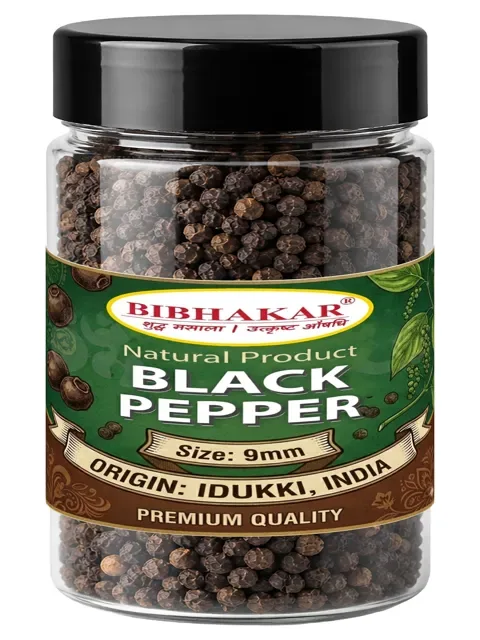
The jar
See what you buy.
- Glossy black cap. Screws down airtight.
- See-through body. The whole spice is visible above and below the label.
- The Bibhakar oval. Our mark, always on the front.
- The spice, named. Large serif name with a plain descriptor.
- Origin and grade. Where it grows and its grade, on one ribbon.
What we will not do
- Blend lots from different regions
- Add colour, oil or fillers
- Sell a lower grade under the same name
- Grind stock ahead and let it sit
- Hide the origin behind “Product of India”