Guides from Bibhakar Spices on how spices are graded, priced and stored. Each one links to the jars we sell. Shop all spices.
Buying and grading guides
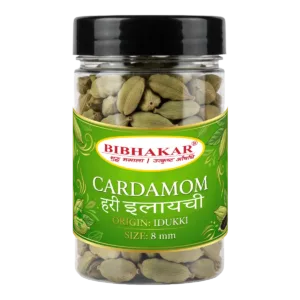
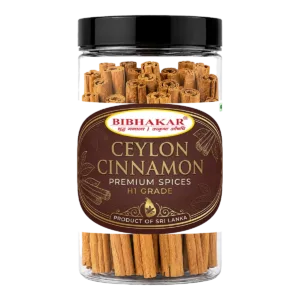
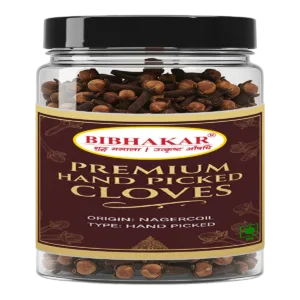
Spice Guides · 21 Nov 2026Laung Freshness Test: How to Check, Use and Store Whole ClovesA simple laung freshness test you can do at home: look, press, smell. Plus how to use whole cloves in cooking and store them...Read the articleSpice Guides · 18 Nov 2026How to Identify True Ceylon Cinnamon (and Tell It from Cassia)Five checks to spot true Ceylon cinnamon: layers, colour, thickness, snap and taste. Plus what the H1 grade means and why coumarin matters.Read the articleSpice Guides · 14 Nov 2026What Does 8 mm Elaichi Mean? Green Cardamom Grades Explained8 mm elaichi means pods sieved to 8 mm across or more. How cardamom grades work, what AGEB and AGB mean, and how to...Read the articleBuying Guides · 11 Nov 2026Elaichi Price in India: What Decides the Price per KgWhy elaichi price swings from jar to jar: pod size, colour, moisture, grade and pack size. With a price per 100 g table for...Read the article
Spice notes and origins
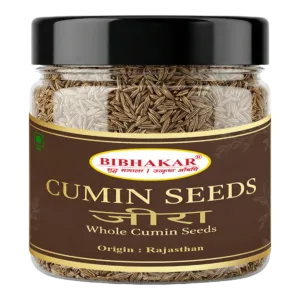
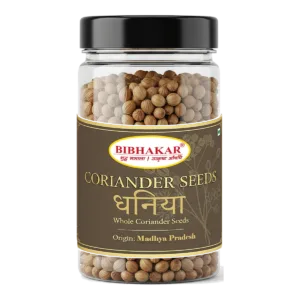
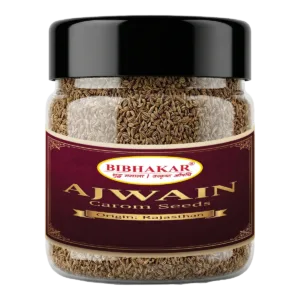
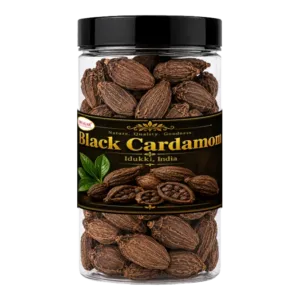
Blog · 26 Mar 2025Why Buy Whole Spices: Flavour, Freshness and Traditional UsesSpices have been part of Indian kitchens and traditional practice for centuries. Buying them whole, then grinding at home, is the simplest way to...Read the articleBlog · 6 Mar 2025Do You Know Where Your Spices Come From? Origins of Our Whole SpicesSpices grow best in particular regions, and where a spice comes from shapes how it smells and tastes. Every jar of Bibhakar Spices names...Read the articleBlog · 12 Jan 2025Coriander Seeds (Dhaniya): A Kitchen Essential for Everyday CookingCoriander seeds, called dhaniya in Hindi, are the dried fruit of the coriander plant. They taste warm, nutty and slightly citrusy, and sit at...Read the articleBlog · 9 Jan 2025From Sri Lankan Farms to Your Table: The Journey of Ceylon CinnamonCinnamon is called dalchini in Hindi, but two different spices are sold under that name. Ceylon cinnamon (Cinnamomum verum), also called true cinnamon, comes...Read the articleBlog · 8 Jan 2025Green Cardamom and Black Cardamom: Differences, Uses and StorageCardamom is often called the queen of spices. Green cardamom (choti elaichi) and black cardamom (badi elaichi) come from different plants and taste very...Read the articleBlog · 7 Jan 2025Whole Cloves (Laung): Uses in Indian Cooking, Chai and TraditionCloves are the dried flower buds of the clove tree. They are called laung in Hindi, lavangam in Tamil and lawang in Marathi. Their...Read the articleBlog · 7 Jan 2025Cumin (Jeera): A Kitchen Essential for Flavour and TraditionCumin, called jeera in Hindi, is one of the most used spices in Indian cooking. Its warm, earthy aroma starts a large share of...Read the articleBlog · 6 Jan 2025Ajwain (Carom Seeds): Traditional Uses, Cooking and StorageWhat is ajwain? Ajwain (carom seeds, sometimes called Bishop’s Weed) is a small, ridged seed with a sharp, thyme-like aroma and a strong, slightly...Read the article