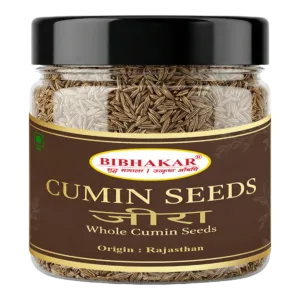
The jeera price you pay depends on how clean the seed is, how fresh it is, where it was grown and the jar size you choose. Clean, whole cumin seed with no dust, stalks or broken grains costs more than loose market jeera. Cumin (jeera) is the dried seed of Cuminum cyminum, grown widely in Rajasthan and Gujarat.
Key facts: Bibhakar Spices cumin seeds
- Name: cumin seeds, jeera (Cuminum cyminum)
- Origin: Rajasthan
- Grade: whole seed, cleaned of dust and stalks
- Jar sizes: 50 g (₹79), 100 g (₹129), 250 g (₹259), 500 g (₹499)
- Price per 100 g: ₹158 (50 g jar) down to ₹100 (500 g jar)
Bibhakar Spices sells whole Rajasthan cumin seeds (jeera) in 50 g to 500 g jars priced ₹79 to ₹499.
What decides the price of jeera?
Cumin is a crop of the dry season, and its price moves with the size of each year’s harvest. For a shopper, though, the bigger differences between two packs come from what happens after harvest:
- Cleaning. Raw cumin carries dust, stalks, stones and the seeds of weeds. Each round of sieving and hand-picking removes weight and adds labour.
- Whole grains. Broken and shrivelled seeds are cheaper to buy in bulk and lose aroma faster.
- Freshness. Old stock loses its oil and smells flat.
- Packaging. A jar costs more than a plastic pouch, but it keeps seed dry and lets you see it.
- Pack size. Small packs cost more per gram because the packing cost is spread over less seed.
How much does jeera cost per 100 g here?
These are our live jar prices on 8 November 2026, including GST:
| Jar size | Price | Price per 100 g |
|---|---|---|
| 50 g | ₹79 | ₹158 |
| 100 g | ₹129 | ₹129 |
| 250 g | ₹259 | ₹104 |
| 500 g | ₹499 | ₹100 |
The 500 g jar works out to ₹998 per kg. When you compare that with a “jeera 1 kg price” elsewhere, compare like with like: cleaned whole seed against cleaned whole seed.
Most families use jeera daily, so the 250 g or 500 g jar is usually the better buy. If you cook for one or two people, the 100 g jar stays fresher to the last spoon.
What are the five quality checks for cumin seeds?
- Colour. Good jeera is an even greenish brown to grey-brown. Very dark or black seeds can mean old stock or a different seed mixed in.
- Shape. Seeds should be long, thin and ridged, with very few broken halves. Shrivelled, hollow seeds carry less flavour.
- Cleanliness. Pour a spoonful onto a white plate. You should see almost no dust, stalks, small stones or foreign seeds.
- Smell. Rub a few seeds between your palms. Fresh cumin smells warm, earthy and strong right away. A dull or musty smell means the oil has faded.
- The palm rub test. FSSAI lists a home check for grass seeds coloured with charcoal dust in cumin, one of its common household adulteration tests: rub a few seeds between your palms. Genuine jeera leaves your palms clean. Seeds that leave black marks are a warning sign.
Is shah jeera the same as jeera?
No. Shah jeera, also called black cumin or caraway in some shops, is a different seed: thinner, darker and with a sweeter, more delicate flavour. It is used in Mughlai dishes and some biryanis. Regular jeera is the everyday seed for tadka, raita, jeera rice and garam masala. Check the label, because the two are priced very differently.
How do you get the most flavour from jeera?
- Temper in hot oil or ghee. Add seeds to hot fat and wait for them to crackle and darken slightly before adding onions or tomatoes.
- Dry-roast and grind. Roast seeds in a dry pan until they smell toasty, cool them and grind. Freshly roasted jeera powder is far stronger than ready powder.
- Buy whole, grind small batches. Ground spices lose aroma faster than whole seeds.
For more on cooking with cumin, read our earlier post on uses of cumin.
Where to buy whole jeera online
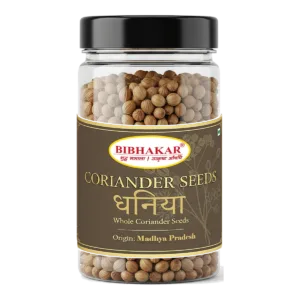
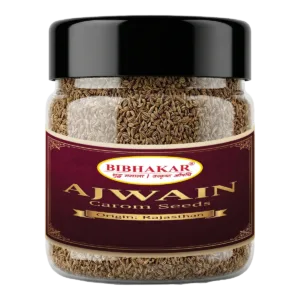
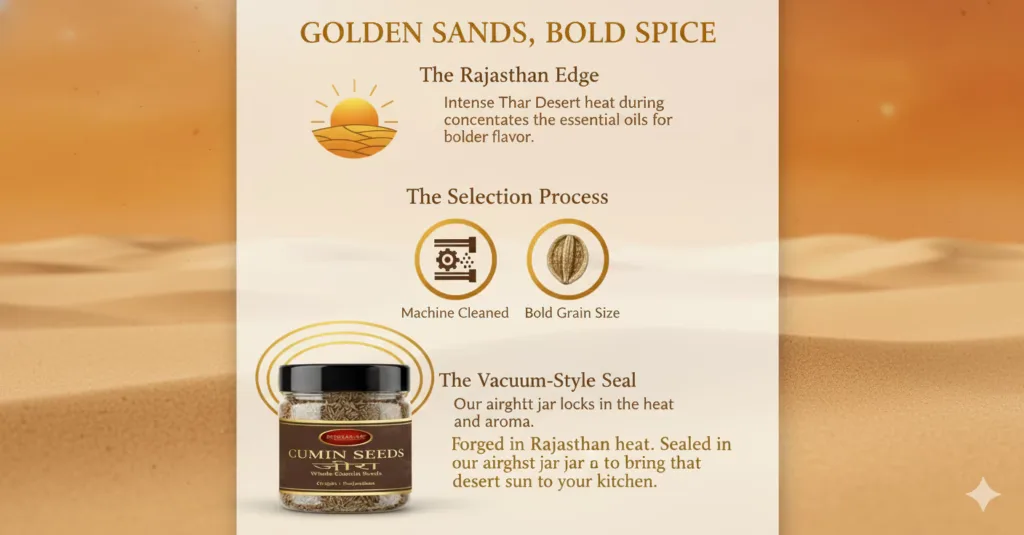
Our whole cumin seeds (jeera) from Rajasthan are packed in clear jars, so you can check the colour and cleanliness before you open the cap. You will find jeera alongside coriander, ajwain and chia in our seeds category.
Frequently asked questions
What is the jeera price per kg?
On Bibhakar Spices, cleaned whole Rajasthan jeera costs ₹499 for a 500 g jar, which equals ₹998 per kg. Smaller jars cost more per gram, from ₹129 for 100 g. Market prices change with each harvest, so compare cleaned whole seed with cleaned whole seed when you check prices.
How do I check if jeera is adulterated?
Spread a spoonful on a white plate and look for dust, stalks, small stones and seeds of a different shape or colour. Then rub a few seeds between your palms, a home check listed by FSSAI. Genuine jeera leaves your palms clean, while black marks suggest grass seeds coloured with charcoal dust.
Is whole jeera better than jeera powder?
Whole seeds keep their aroma much longer than powder because the oil stays sealed inside the seed. Ground spices lose flavour faster once exposed to air. For the strongest taste, buy whole jeera and dry-roast and grind a small amount every week or two for your cooking.
What is the difference between jeera and shah jeera?
Jeera is the common cumin seed used daily in Indian cooking. Shah jeera is a different, thinner and darker seed with a sweeter, milder flavour, often used in biryani and Mughlai dishes. They are priced differently and are not direct substitutes, so check which one a recipe asks for.
Sources
- Check adulteration at home (DART), Food Safety and Standards Authority of India
- Keeping spices fresher longer, America’s Test Kitchen
Filed under Buying Guides · All articles · Shop all spices